
Topic
Applying to jobs
Volume, timing, channels, tracking. The mechanics of running an application pipeline that actually converts to interviews.
7 Better Alternatives to LinkedIn Job Alerts That Find More
Tired of noisy LinkedIn alerts? See 7 faster alternatives, with setup tips to tighten filters, speed alerts, and auto-tailor resumes so you land better matches
ApplyTOP · July 22, 2026

Job Application Follow Up Email: Checklist and Templates
Use this job application follow up email checklist and templates to time outreach, find the right contact, and write short, personal messages that get replies.
ApplyTOP · July 22, 2026

Job application automation with AI: apply faster, smarter
Build job application automation: matched alerts from career sites, and ATS, auto-tailored resumes, fast batch applying, and polite follow-ups.
ApplyTOP · July 19, 2026

Automated Job Matching Guide to Cut Your Search Time in Half
A practical guide to automated job matching across LinkedIn, career sites, and ATS. Learn how it works and how to tune alerts so you only see high fit roles.
ApplyTOP · July 10, 2026
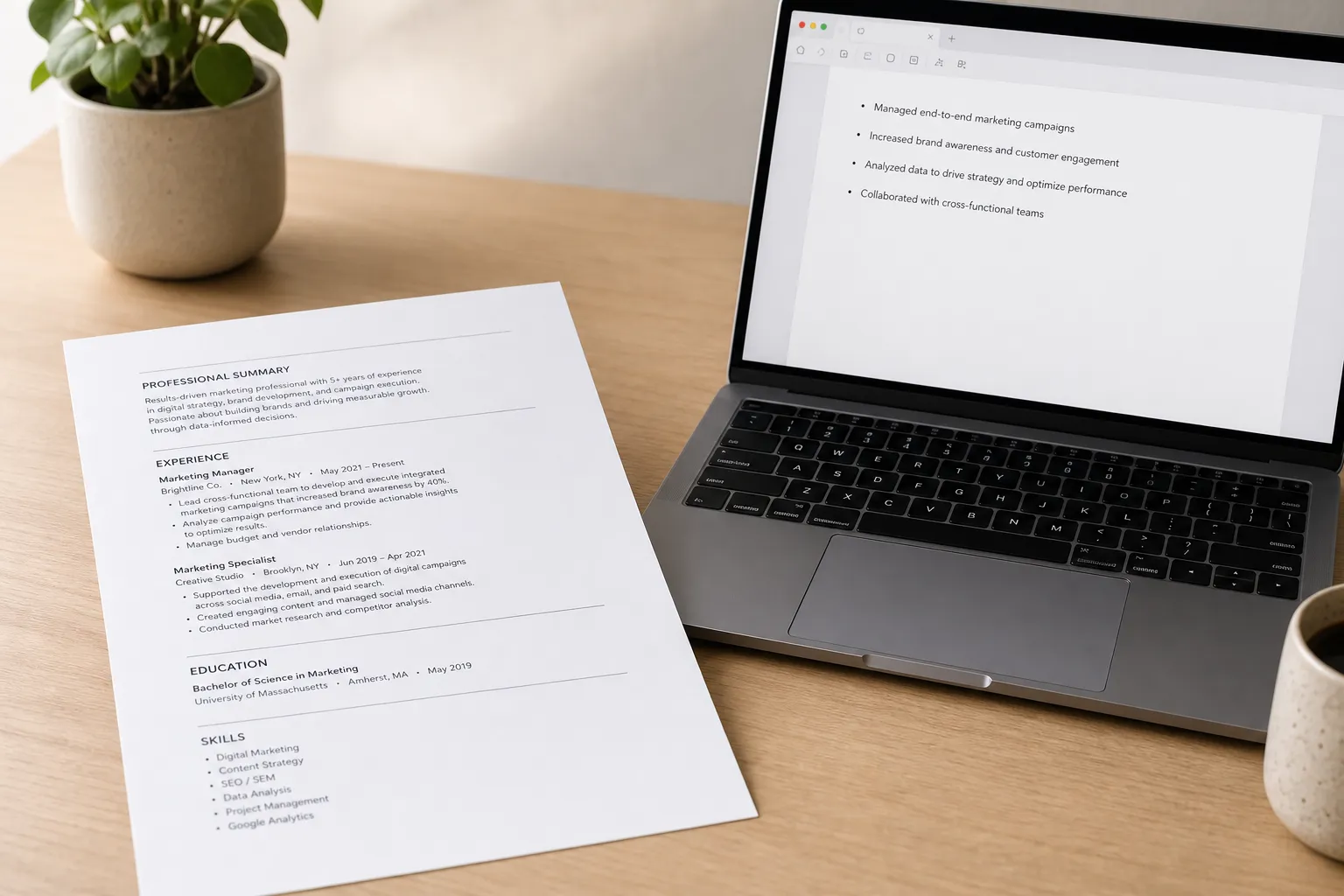
ATS-Friendly Resume Guide: Formatting, Keywords, Examples
Build an ATS-friendly resume recruiters can parse fast. Formatting rules, keyword placement, real examples, templates, and how ApplyTop exports clean files.
ApplyTOP · July 2, 2026
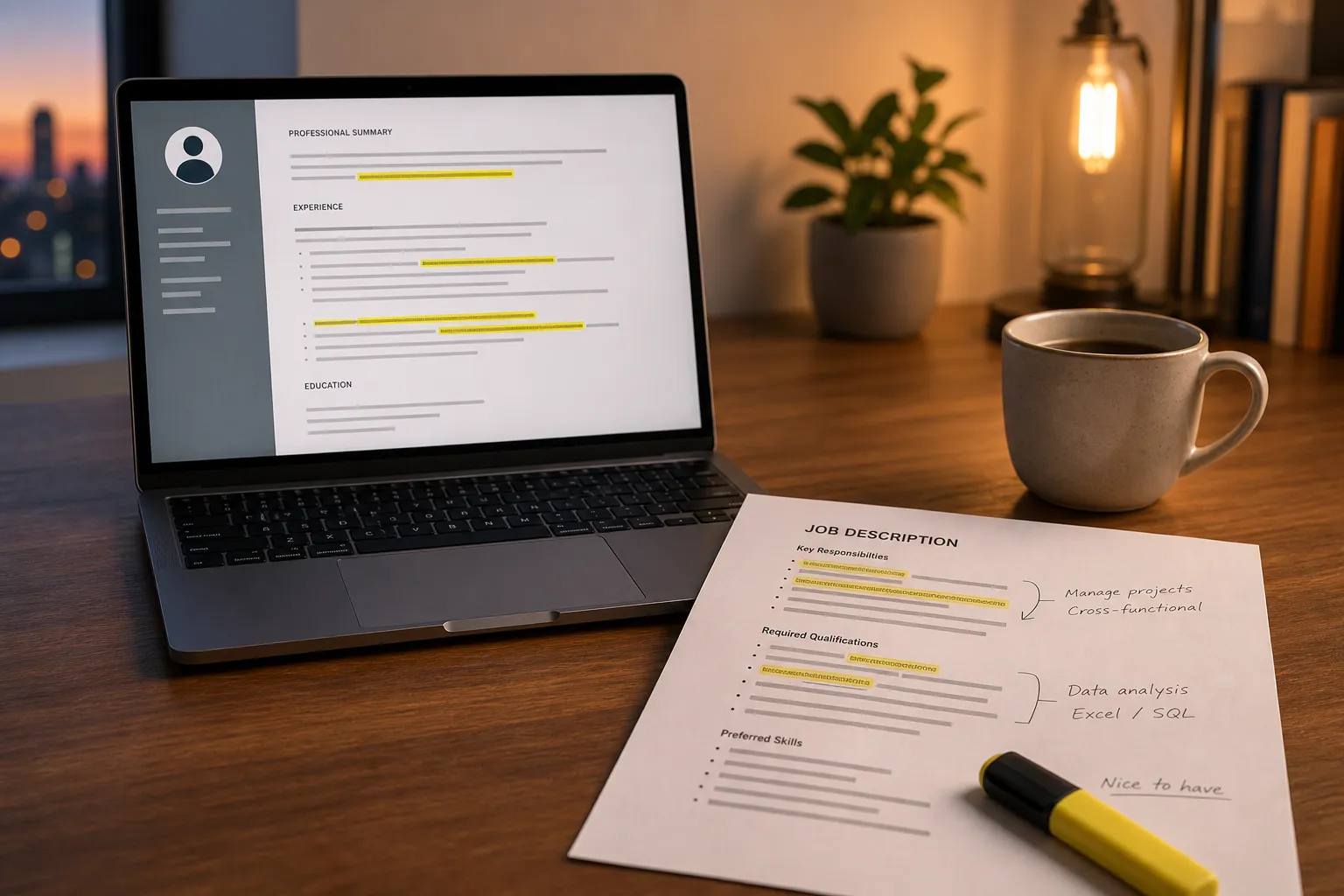
Create a Tailored Resume for Each Job in 15 Seconds
Tailor a resume to any job in 15 seconds. Extract must-haves, map proof, add ATS keywords, and export clean files with a simple AI-powered workflow.
ApplyTOP · June 30, 2026
How Hourly Job Alerts Led to 3 Interviews in 14 Days
A mid-level product marketer used hourly job alerts, an AI resume builder, and proof-first follow-ups to land 3 interviews in 14 days. See the playbook.
ApplyTOP · June 29, 2026

How to Use an AI Cover Letter Generator That Sounds Human
Use an AI cover letter generator to write human-sounding, role-aligned letters fast. Personalize tone, add real stories, and fix pitfalls before you send.
ApplyTOP · June 27, 2026
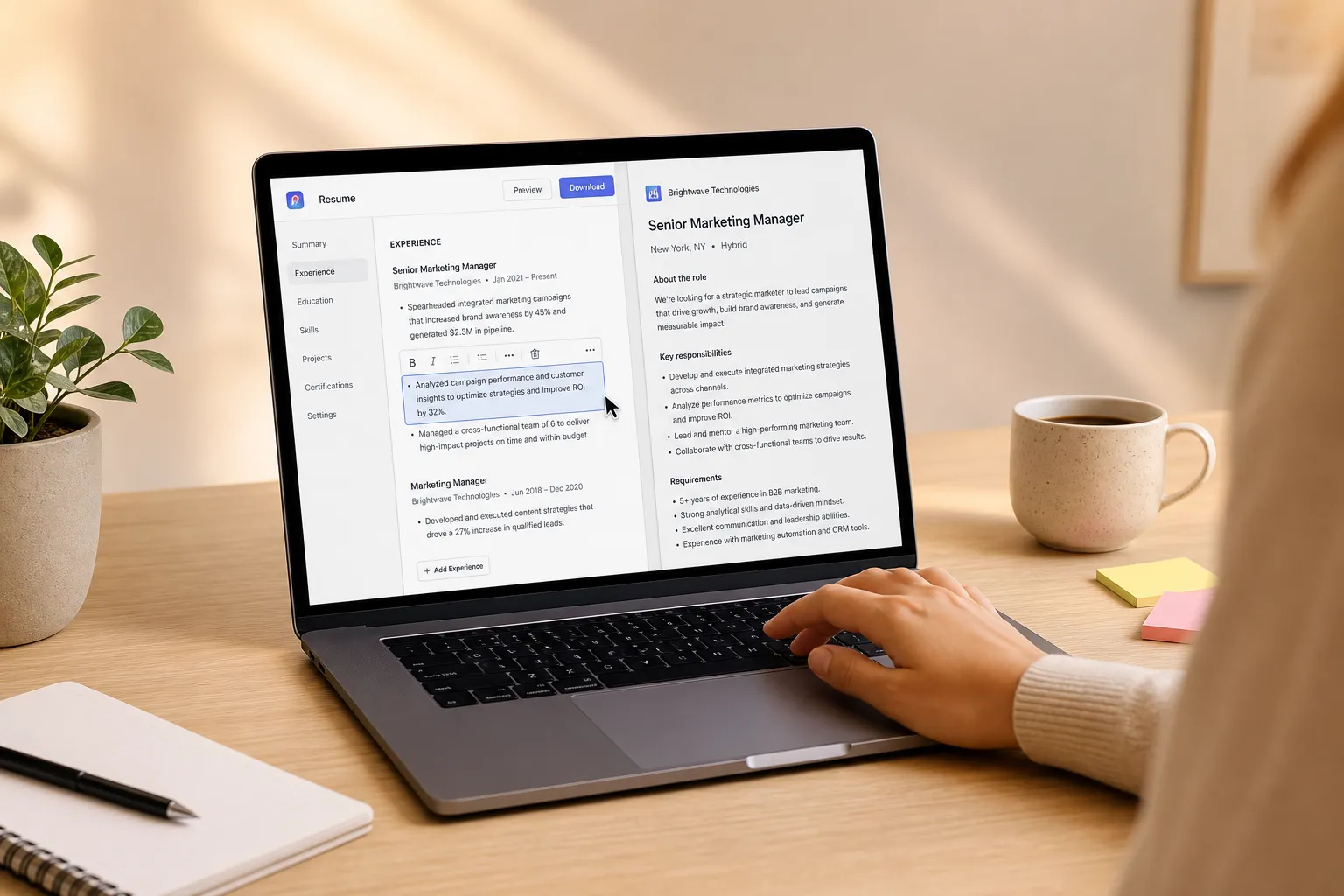
Best AI Resume Builders for Fast, Tailored Applications
Find the best AI resume builder for tailored, ATS-friendly applications. Compare features, exports, and speed, and see how ApplyTop moves you from alert to
ApplyTOP · June 26, 2026
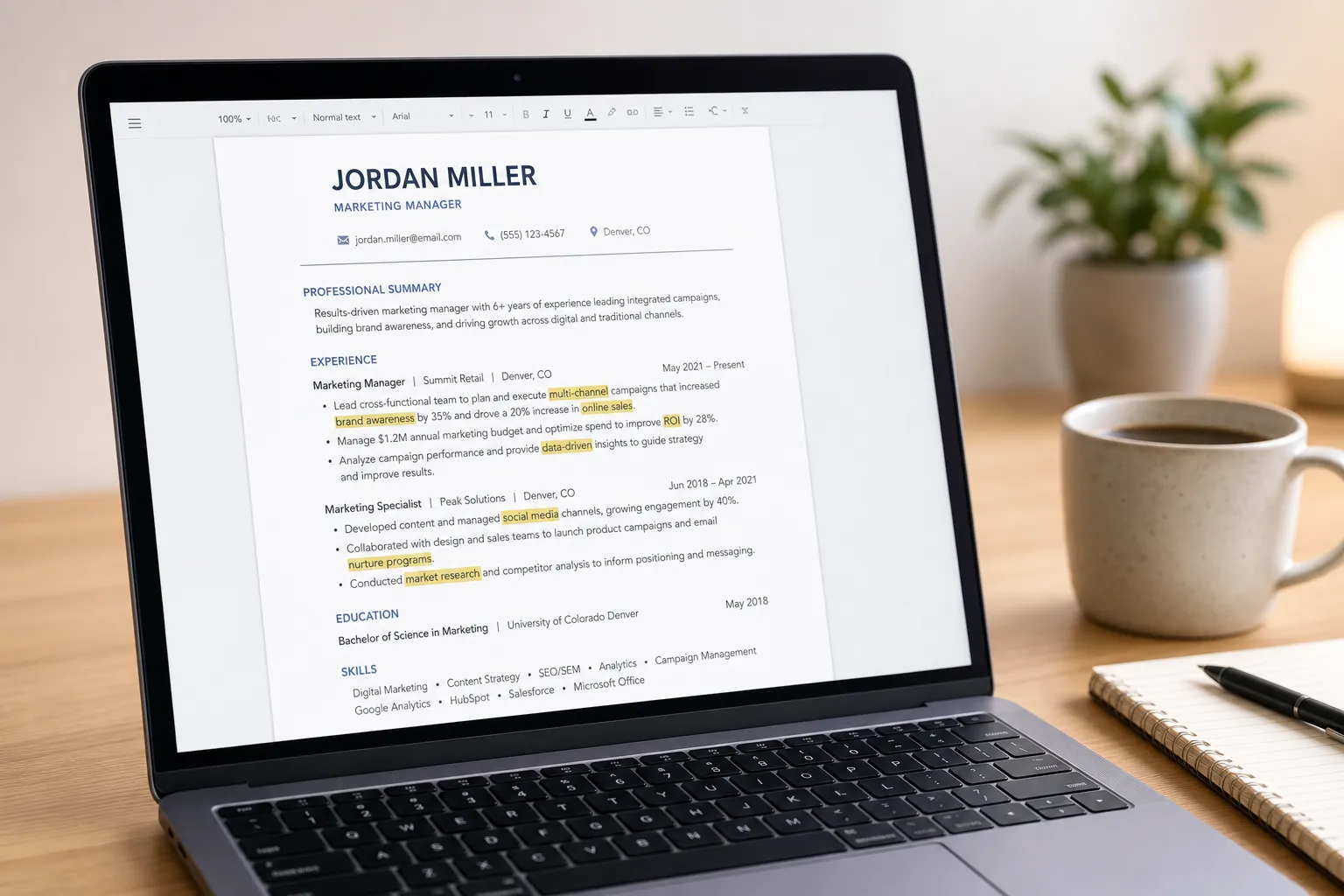
Beat ATS Resume Scanners and Get Seen by Recruiters
Learn how to beat ATS with clean formatting, role-specific keywords, and quick iteration using ApplyTop's ATS checker and hourly job alerts to get seen sooner.
ApplyTOP · June 25, 2026
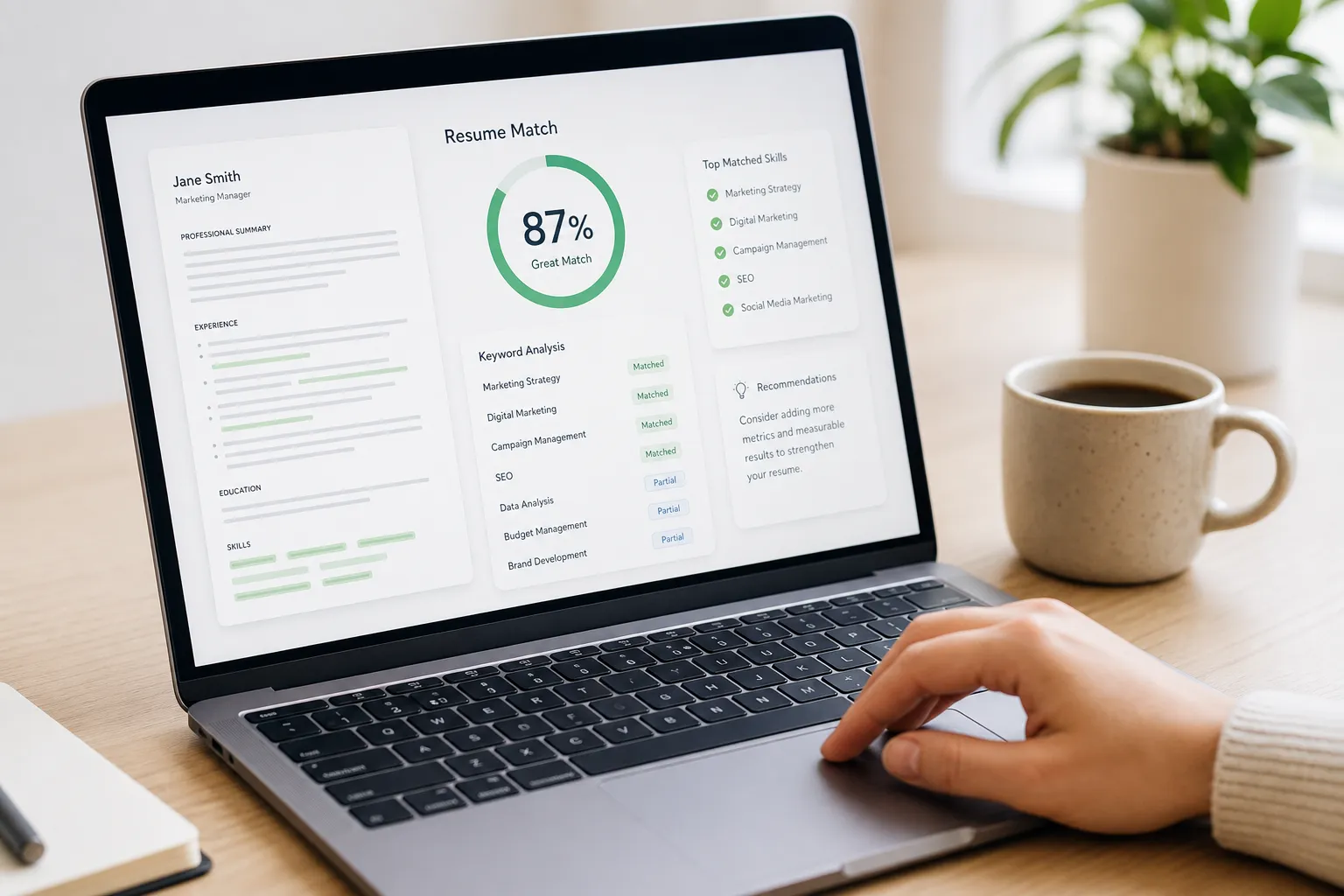
Best ATS Resume Checker Tools for 2026, Tested and Ranked
We tested 2026’s top ATS resume checkers for parsing, keyword accuracy, rewrite help, speed, privacy, and value so you fix gaps and win more interviews.
ApplyTOP · June 24, 2026
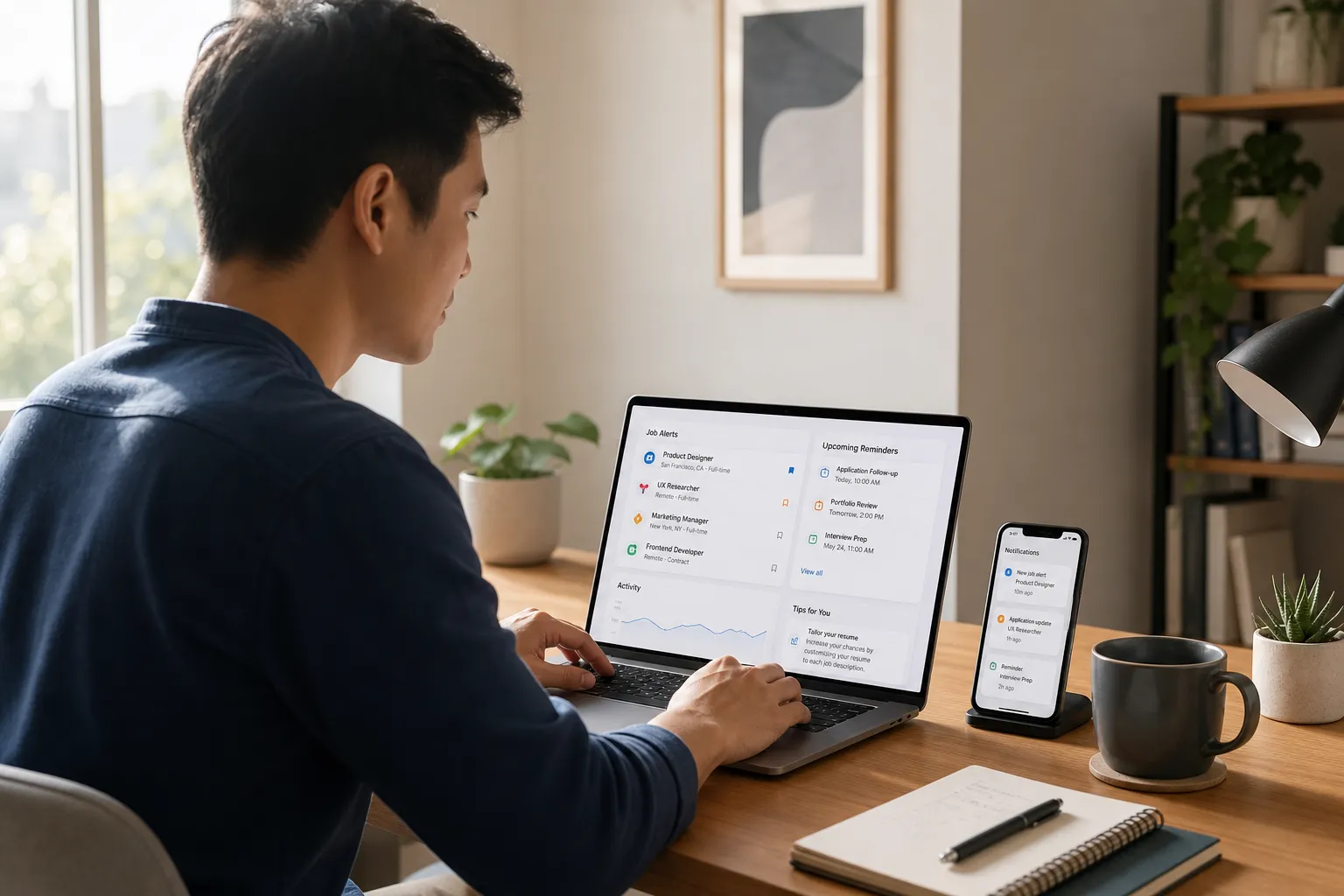
Automate Your Job Search: A Practical 5-Step System
Build a five-step job search automation system to source, score, tailor documents, and track follow-ups. Save hours weekly and increase interview rates.
ApplyTOP · June 23, 2026

AI Job Search: What It Is and How It Really Works
AI job search, defined and demystified. See how tools find, clean, and rank roles, why speed matters, and how ApplyTop delivers hourly alerts and tailored
ApplyTOP · June 22, 2026

ApplyTop vs Job Boards: Faster, Better-Matched Roles
See how ApplyTop beats job boards with broader sourcing, hourly alerts, and ATS-ready, tailored resumes and cover letters to land interviews faster.
ApplyTOP · June 21, 2026

Best Jobscan Alternative for Accurate ATS Resume Checks
Compare ApplyTop, Teal, and Rezi for accurate ATS checks, speed, and real job-matching. See which tool tailors resumes faster and helps you apply earlier.
ApplyTOP · June 20, 2026
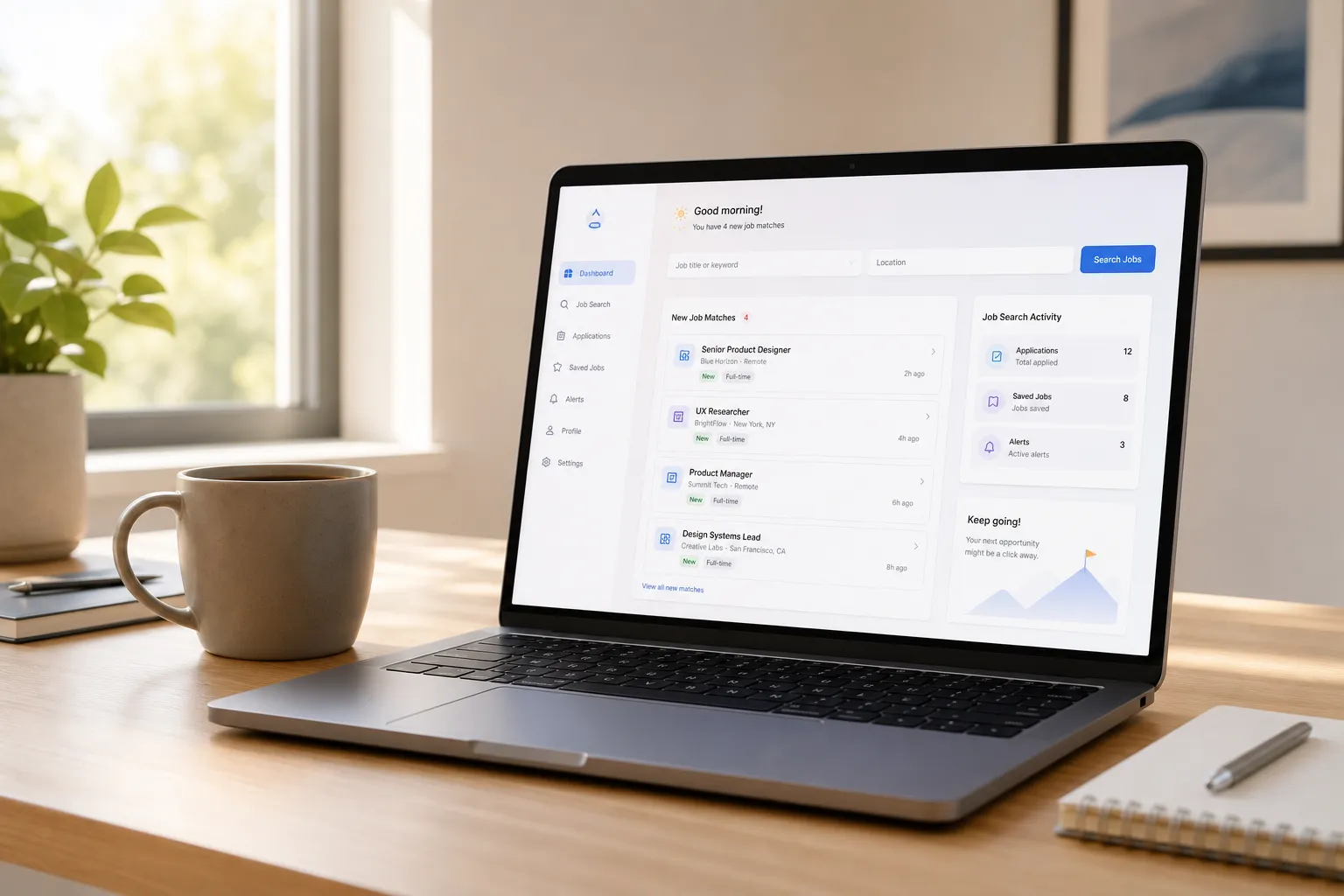
Best LinkedIn Job Alerts Alternative with Hourly Matches
Looking for a LinkedIn job alerts alternative? ApplyTop scans LinkedIn, career sites, and ATS to send hourly matches and build tailored resumes fast.
ApplyTOP · June 19, 2026
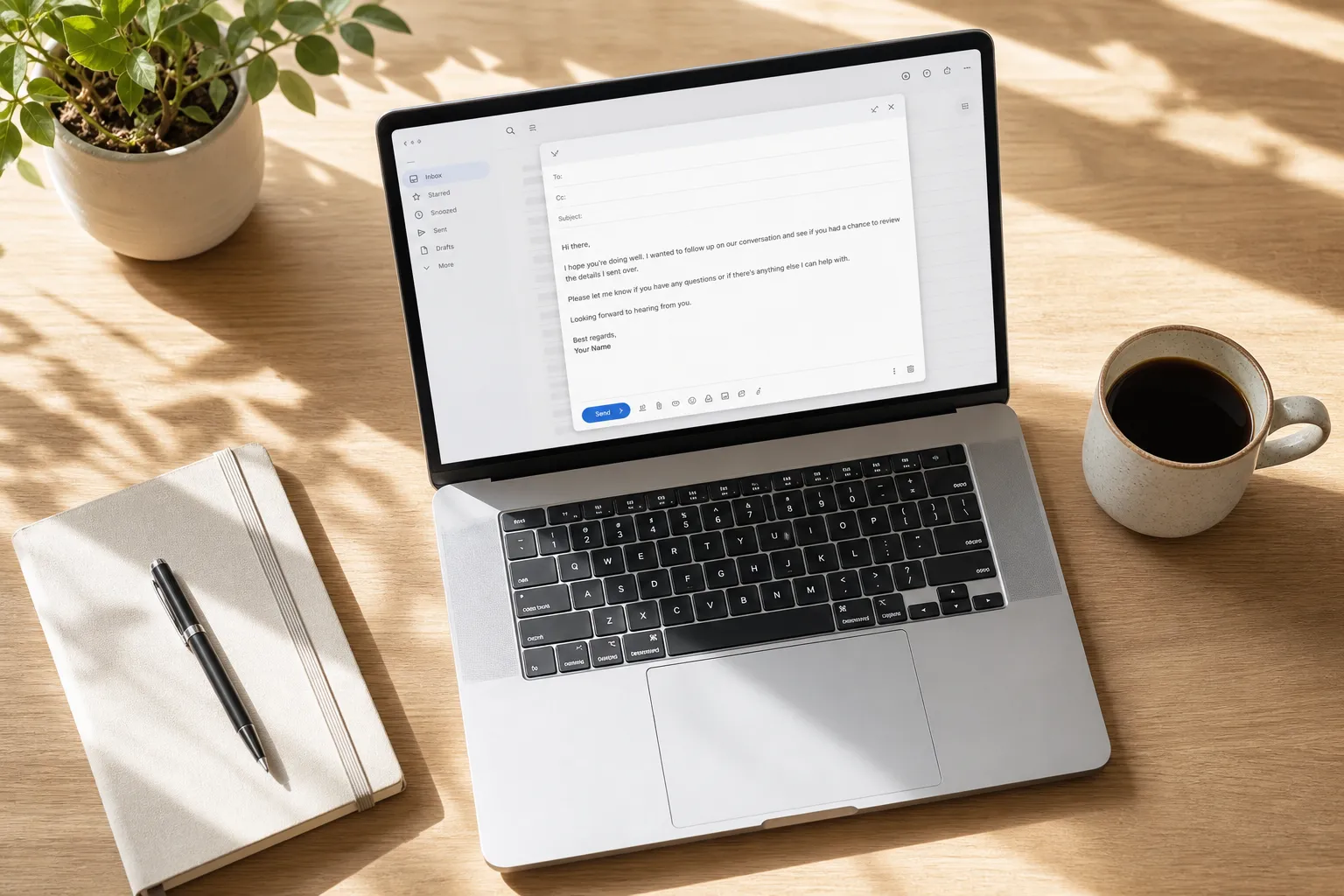
Job Application Follow-Up Email Templates That Get Replies
Use these proven follow-up email templates, timing rules, and subject lines to get replies fast and land more interviews without sounding pushy.
ApplyTOP · June 18, 2026

Job Application Automation: Apply Faster in 1 Hour a Day
Automate your job hunt in one hour a day. Set targets, get hourly matches, tailor resumes and cover letters, and track follow-ups across LinkedIn and ATS.
ApplyTOP · June 18, 2026

Salary Negotiation Script for Tech Roles in 2026: The 5 Lines That Get You +15%
Most offers come in $10K–$25K under the company's real ceiling. This is the exact conversation that closes that gap — without burning the relationship or sounding adversarial.
ApplyTOP · June 10, 2026

10 Phone Screen Interview Questions You Will Almost Always Get (and How to Answer Them)
The 30-minute screening call follows the same script across most tech and growth-stage companies. Prep these 10 answers once and you stop blowing the first round.
ApplyTOP · June 10, 2026
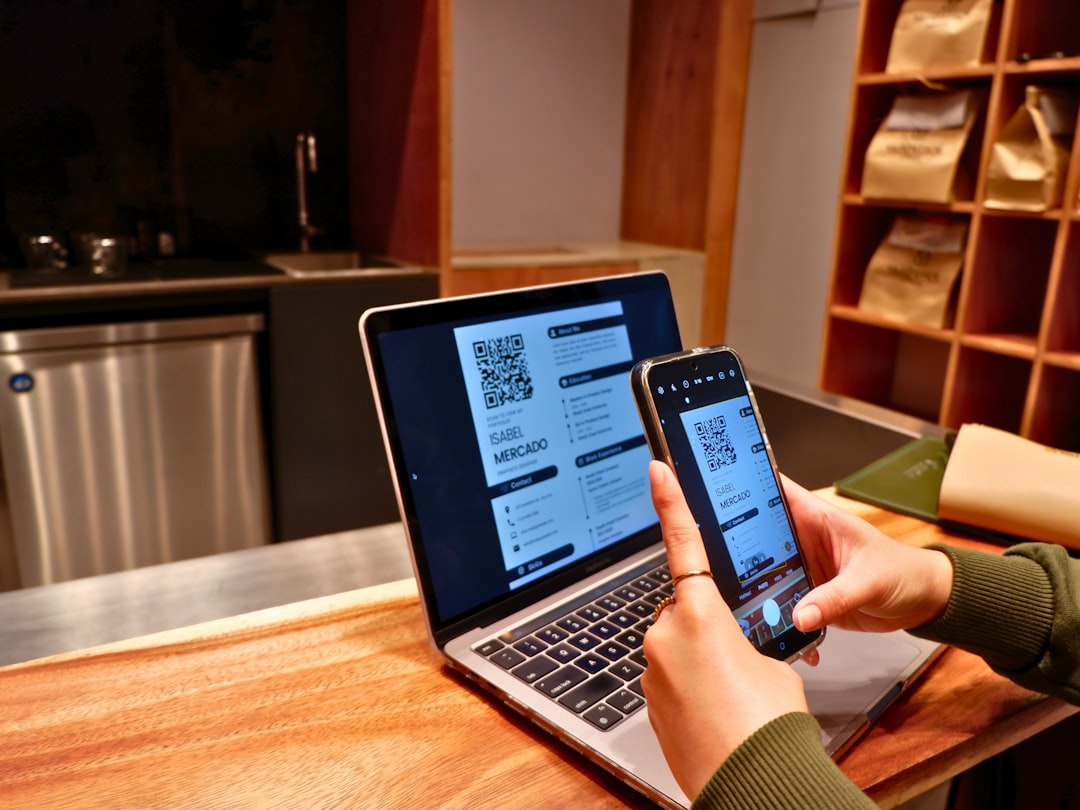
The 7 Best CV Builders in 2026 (Ranked by What Actually Gets You Hired)
A polished CV is table stakes in 2026; what wins is tailoring fast and beating the ATS. We ranked 7 CV builders on what actually lands interviews, not what looks prettiest.
ApplyTOP · June 10, 2026

LinkedIn Easy Apply vs. Direct Apply: Which Actually Gets You Responses?
Easy Apply takes 30 seconds. A direct application takes 5–15 minutes. Recruiter response rates show the trade-off is not what you think. And which to use depends on the role.
ApplyTOP · May 15, 2026
How to Find New Jobs the Same Hour They Are Posted
Most candidates find jobs 24–72 hours after posting. By that time, the recruiter shortlist is half-full. Here is the alerting setup that surfaces fresh roles within an hour. Across LinkedIn, ATS platforms, and company career pages.
ApplyTOP · May 15, 2026
How to Set Up LinkedIn Job Alerts That Actually Surface the Right Roles
LinkedIn alerts default to noisy, low-signal recommendations. Here is exactly how to configure title, location, and frequency so the alerts in your inbox are worth reading.
ApplyTOP · May 15, 2026

How to Write a Cover Letter That Actually Gets Read (3 Templates)
Most cover letters are a paragraph version of the CV. The ones that get read have a specific structure. Here is the framework, with three role-specific templates you can adapt in 5 minutes.
ApplyTOP · May 15, 2026
How to Track Job Applications: The System That Scales to 100+
Active job seekers usually have 30–100 applications in flight at once. Without a system you forget who you applied to, miss follow-ups, and burn out. Here is the lightweight tracking system that scales.
ApplyTOP · May 15, 2026

How to Apply to 100 Jobs a Week Without Burning Out
High-volume job searches usually crash by week three. Here is the workflow that lets you apply to 100+ roles per week, sustain it for two months, and still ship tailored applications to the roles that matter.
ApplyTOP · May 15, 2026
ATS-Friendly CV: How to Beat Applicant Tracking System Keyword Filters in 2026
Most CVs are filtered by software before a human reads them. Here is exactly how Greenhouse, Lever, and Workday parse your CV. And how to write one that survives both filters and humans.
ApplyTOP · May 15, 2026

When Is the Best Time to Apply for a Job? The Data on First-Hour Applications
Recruiters review applications in the order they arrive, and the shortlist is usually full within 72 hours. Here is the data on apply timing. And how to actually be in the first batch.
ApplyTOP · May 15, 2026
Browse other topics